
Event held via Zoom • Registration Link
In April of 1863, the Baton-Rouge-based photographers McPherson and Oliver produced a series of images of a formerly enslaved man known as Peter and Gordon in which the subject bore his scarred back to the camera, testimony to the violence of his enslaved past. One version in particular came to be known as the “Scourged Back.” The display of this image has been the subject of much debate in recent years. Scholars, curators, and critics have raised ethical questions about looking at and circulating Peter/Gordon’s scarred body. More recently, efforts have been made to censor the photograph from public spaces. This session will reflect on the history of Peter/Gordon's image and its afterlives, considering when and how it is appropriate to show and withhold from public viewing.
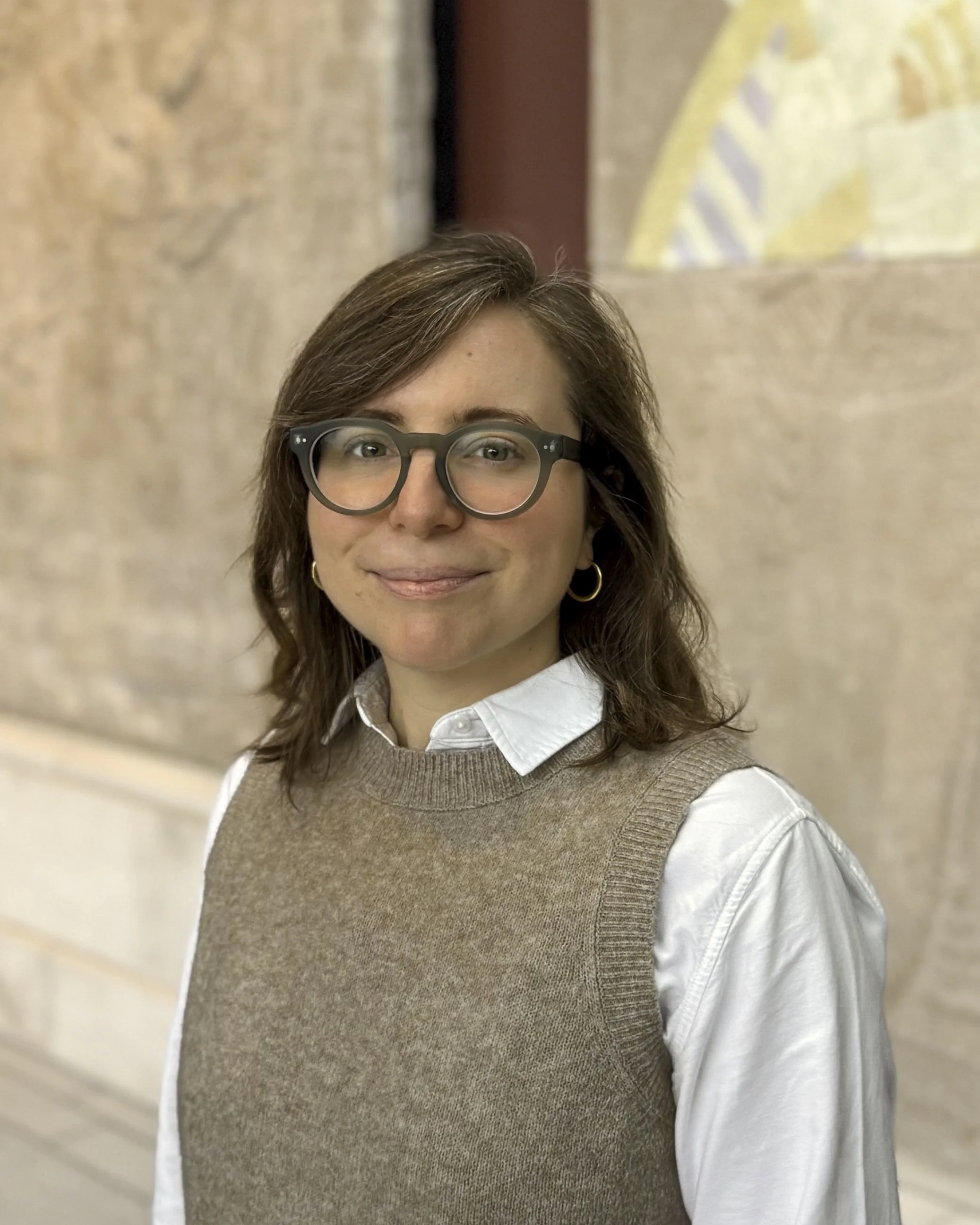
Anne Strachan Cross is a specialist in nineteenth-century photography and visual culture, with a focus on illustrated newspapers. Her current book project, Mediating Atrocity: Photography, Violence, and the Civil War Press, examines photographs of atrocity and their publication as wood engravings within Harper’s Weekly’s illustrated reporting of the American Civil War. She has received fellowships from the American Council of Learned Societies and the Luce Foundation, the American Antiquarian Society, the Boston Athenaeum and the Massachusetts Historical Society. She currently serves as the Mellon Post-Doctoral Fellow at the Bowdoin College Museum of Art in Brunswick, Maine.
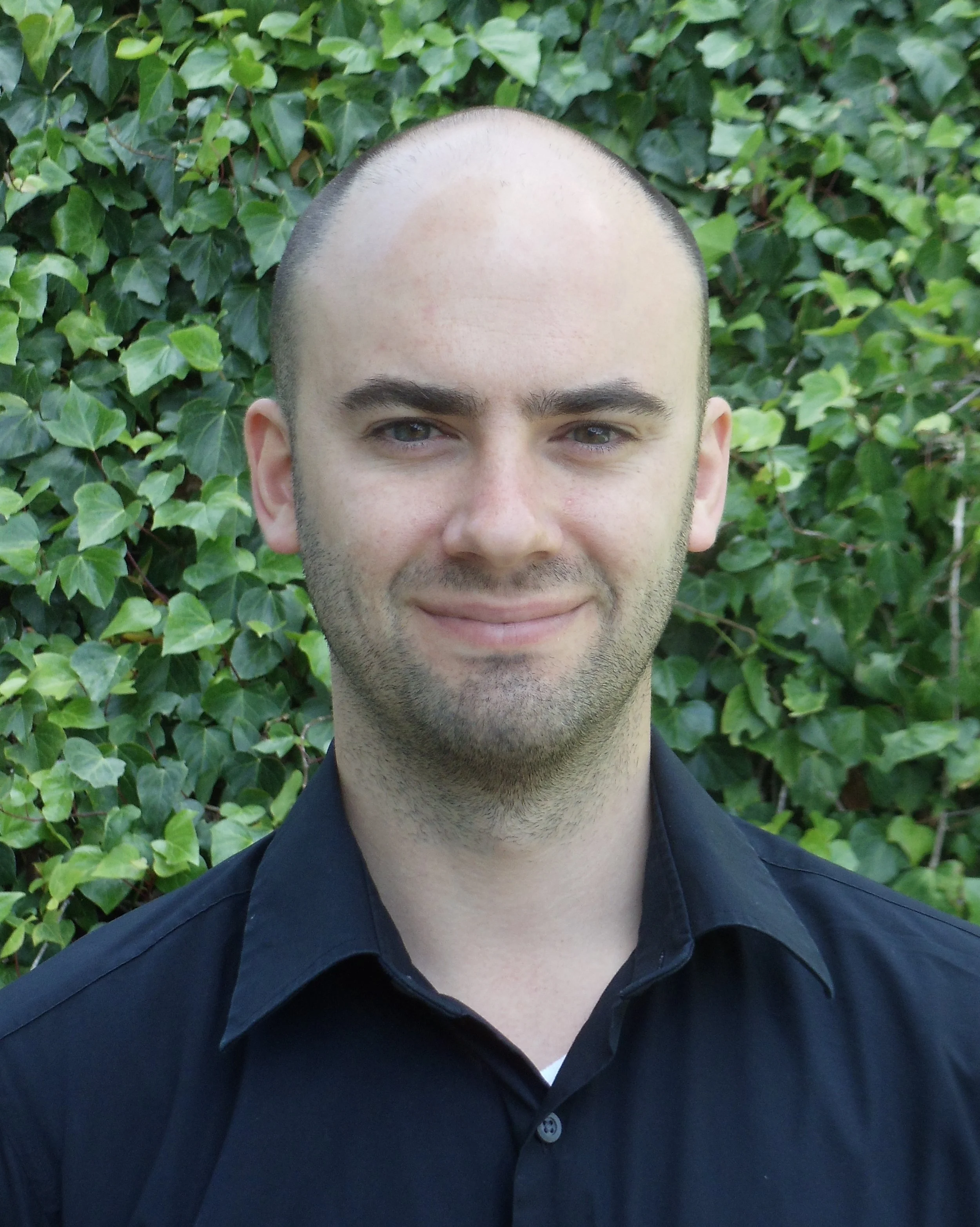
Matthew Fox-Amato studies the power of images. He is the author of Exposing Slavery: Photography, Human Bondage, and the Birth of Modern Visual Politics in America (Oxford University Press, 2019). Exposing Slavery was the runner-up for the 2021 Shapiro Book Prize of The Huntington Library, a finalist for the Gilder Lehrman Lincoln Prize, and a finalist for the Association of American Publishers PROSE Award. Fox-Amato is Associate Professor of History at the University of Idaho. He received his B.A. from Harvard University and his Ph.D. in History, with a certificate in Visual Studies, at the University of Southern California, after which he held a Mellon Postdoctoral Fellowship at Washington University in St. Louis. Currently, he is writing a book about how presidential administrations have used photography.
Recommended Reading
Event image credit: Civil War CDV of ‘Gordon’ upon arrival at the Baton Rouge Union camp. Verso inked inscription “Contraband that marched 40 miles to get to our lines”, March 1863, photographers William D. McPherson and his partner, Mr. Oliver, New Orleans. Source: Cowan’s Auctions.