
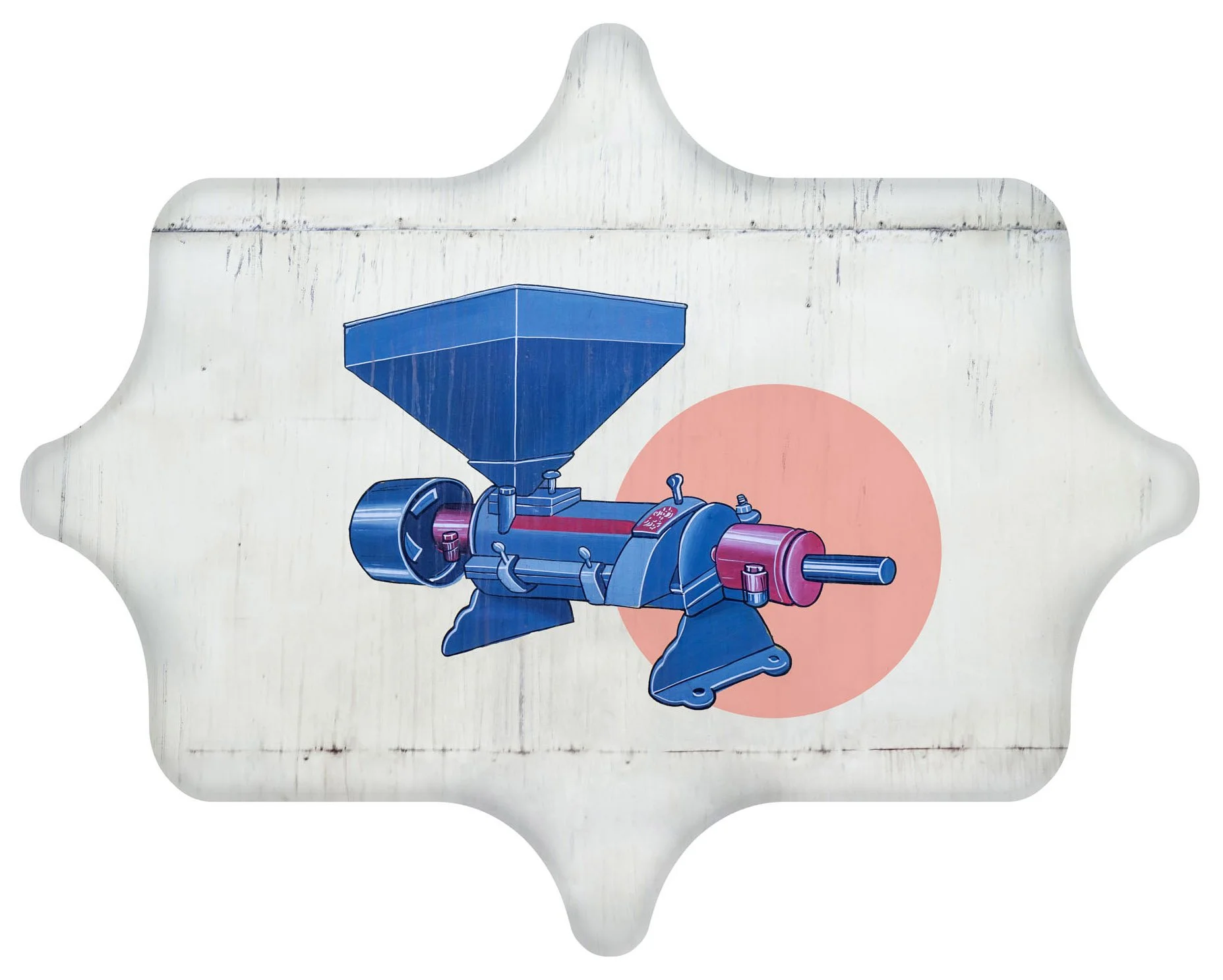
Pop Art’s Other Histories with Zahid R. Chaudhary
Zahid R. Chaudhary specializes in postcolonial studies, visual culture, and critical theory. His first book, Afterimage of Empire, examines early photography in India to explore colonial perception, truth, and embodiment. His second, Paranoid Publics, analyzes the psychosocial dynamics of conspiracy cultures, anti-democratic movements, and new media. His current project, Impunity: Notes on a Global Tendency, studies juridical, political, and aesthetic dimensions of impunity from the Cold War to today across postcolonial and U.S. contexts. He has published widely on photography, film, psychoanalysis, and visual culture.
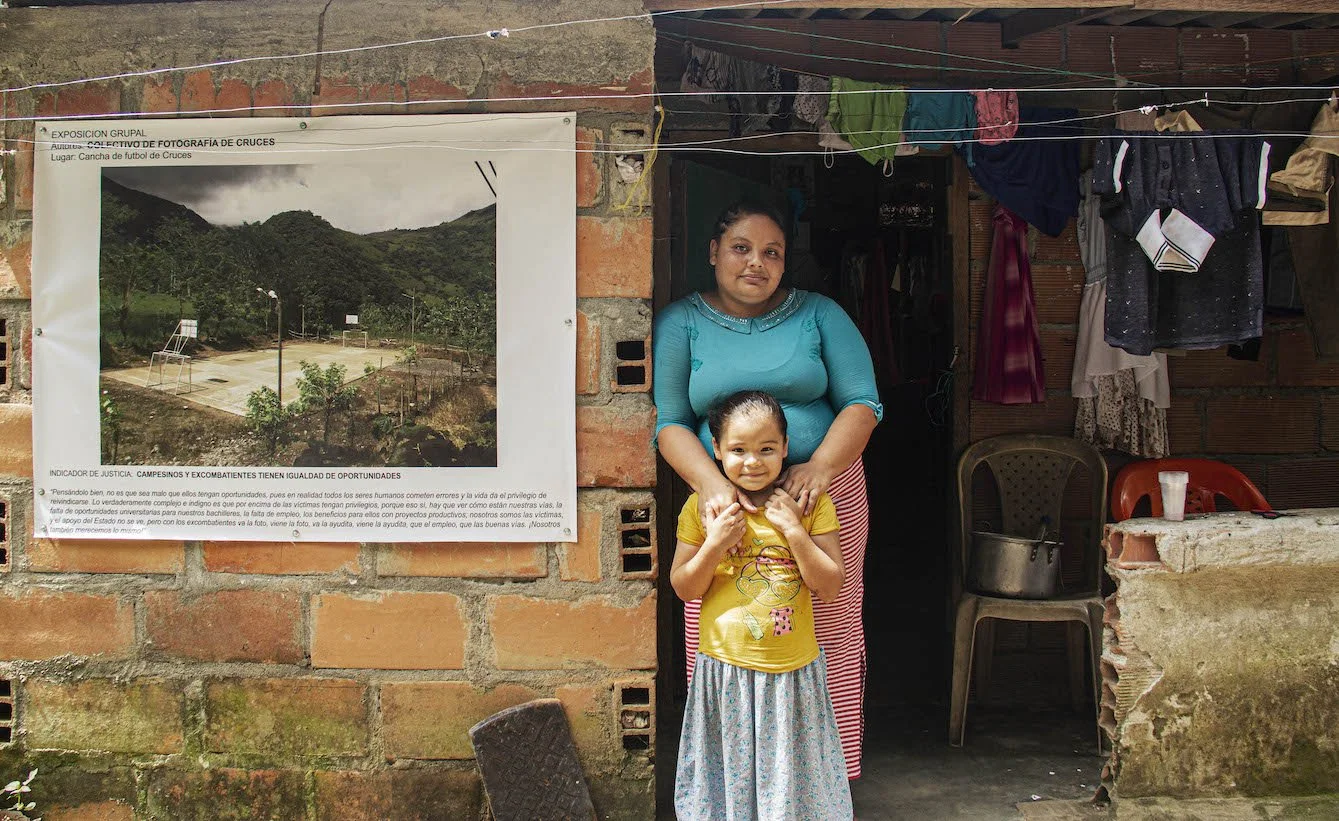
Imaging Peace: What might a photography of peace consist of? with Tiffany Fairey
While photography has been central to how war and violence are seen, far less attention has been given to how the medium might help imagine, foster and enact peace (Möller 2019). This talk will discuss Tiffany Fairey’s book and project, Imaging Peace, the first multi-country, multi-year study of localised and community-engaged peace photography in diverse conflict and peace settings. Initiatives range from photo-mentoring, counter-archives, cross-community, therapeutic and photovoice projects and indigenous collectives in countries such as Colombia, Northern Ireland, Rwanda, Nepal and Bosnia & Herzegovina.
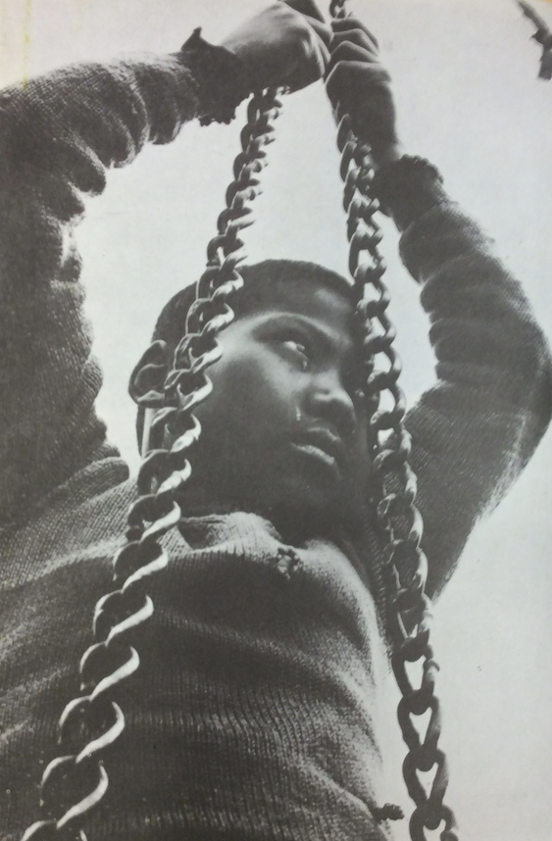
War, Movement, and the Camera: Black Lives in Korean and Japanese Photography with Jeehey Kim
This talk explores how Black presence has been represented in Korean and Japanese photographic cultures from the mid-twentieth century onward. The Korean War and the Second World War brought large numbers of U.S. military personnel—including Black American soldiers—into both countries. Their arrival shaped not only social interactions on the ground but also the ways Blackness was visually framed and understood in East Asia, particularly in relation to mixed-race children born to Asian mothers and Black GIs. These postwar photographic encounters reveal how portrayals of Black culture in Asia were entangled with the legacies of colonialism and the pressures of the Cold War. These forces both enabled and constrained possibilities for Afro-Asian solidarity, leaving a complex visual record that continues to shape contemporary understandings of race, identity, and transnational encounter in the region.
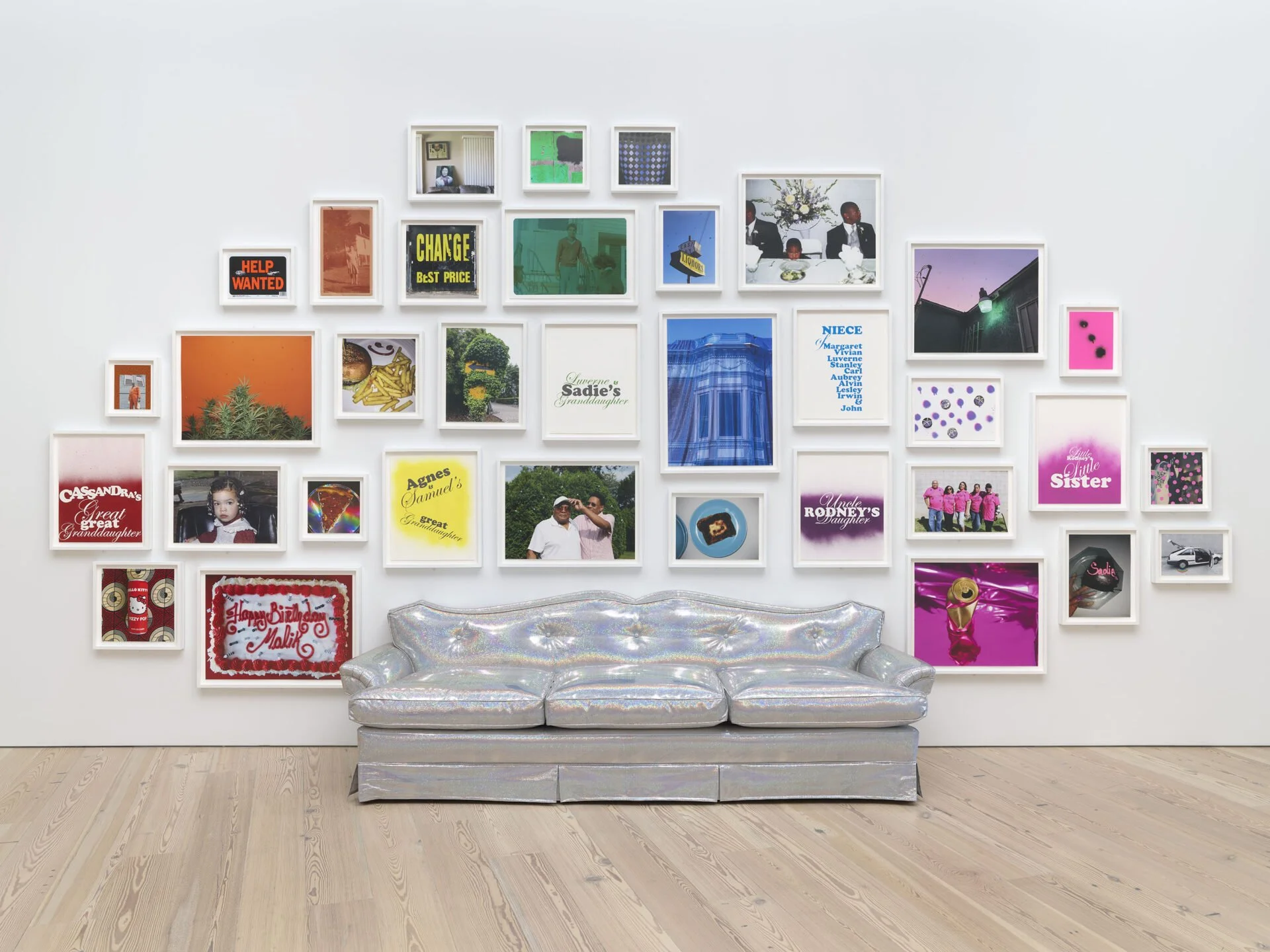
When Home is a Photograph: Blackness and Belonging in the World with Leigh Raiford
In this talk from her forthcoming book, Leigh Raiford examines how Black people use photography to make home in the world. She focuses on a selection of Black American activists and artists, (Marcus Garvey, James Van Der Zee, Eslanda Goode Robeson, Kathleen Neal Cleaver, Dawoud Bey, Sadie Barnette) to explore the complex relationship between racialized subjects and the medium of photography. As they traveled the world for study, for work, for pleasure, or for survival, these artists and activists took and collected photographs to express their political platforms and personal sense of self. Raiford considers the everyday image-making practices that these Black Americans employed to improve the condition of Black lives globally by imagining, identifying, inhabiting, leaving, defending, and destroying “home.”
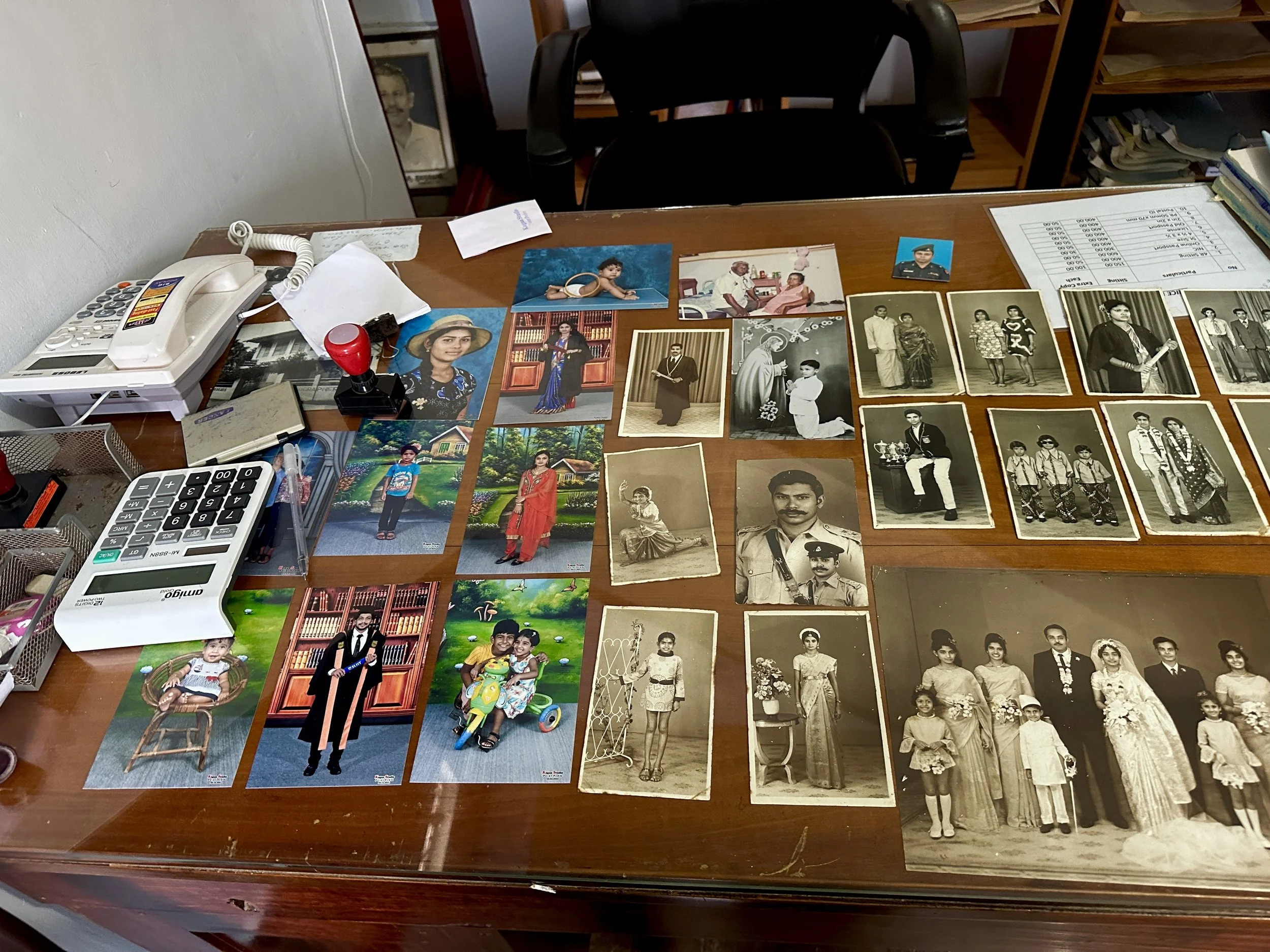
Studio Ilankai: A Tamil Photographic History of Sri Lankan Citizenship with Vindhya Buthpitiya
Sri Lanka’s recent history and present, characterised by majoritarian governance, ethno-nationalist conflict, and civil war, is entangled with the multidimensional marginalisation of the island’s Tamil-speaking communities, reinforcing an ethnicised hierarchy of citizenship. Within such a fraught setting, exacerbated by surveillance, securitisation and militarisation, what can the photography studio reveal about the relationship between the Sri Lankan state and its Tamil citizens? What role does studio photography play in the production of citizenship/s? Drawing on long-term ethnographic research focused on Sri Lanka’s Tamil-owned photography studios, Vindhya Buthpitiya ask what the studio makes possible in terms of citizenship.
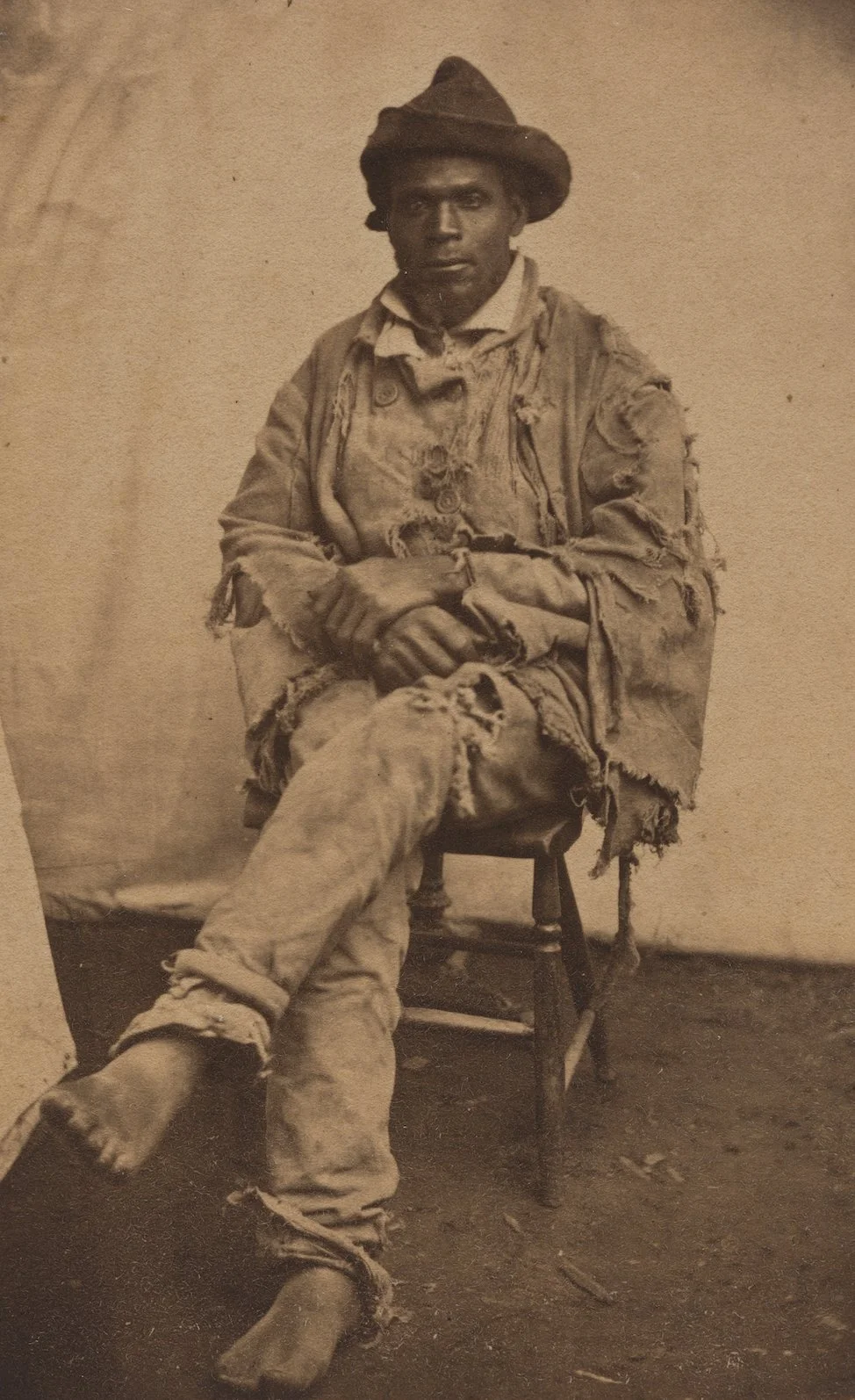
To Show or Not to Show: Ethics, Censorship, and the Case of the Scourged Back with Anne Cross & Matt Fox-Amato
In April of 1863, the Baton-Rouge-based photographers McPherson and Oliver produced a series of images of a formerly enslaved man known as Peter and Gordon in which the subject bore his scarred back to the camera, testimony to the violence of his enslaved past. One version in particular came to be known as the “Scourged Back.” The display of this image has been the subject of much debate in recent years. This session with Anne Strachan Cross and Matt Fox-Amato will reflect on the history of Peter/Gordon's image and its afterlives, considering when and how it is appropriate to show and withhold from public viewing.

Race is in Place: Photography, Land and Climate Change in the Work of the late Santu Mofokeng with Patricia Hayes
Patricia Hayes engages with an archive of interviews with the late Santu Mofokeng (1956-2020) who posed critical questions about environmental activism in South Africa. Mofokeng argued that wide-ranging photographs of land and its development – actual and projected – might help to determine what the actual questions might be. He insisted that no one would pressure him to think "like other people" and interrogated the activities of anti-fracking groups as a symptom of a pre-existing white liberal problem. As a participant in an international project on "social landscapes" (2013), Mofokeng held back a number of images that in his view needed other kinds of unravelling and pointed to far deeper and older problems around race and exclusion.

Photography, Civic Action, and the Struggle For Justice in Latin America with Ileana Selejan
This session will reflect on recent civic movements from Latin America, considering the manifold ways in which photography has been deployed by members of the public towards justice seeking purposes. Starting with an in-depth discussion of the Nicaraguan case, where a large-scale student-led protest movement emerged in 2018, only to collapse into an ever-deepening human rights crisis, we will be looking at parallel examples from the region. How do different publics express their political identities and demands through photography? Can their aspirations be brought into being photographically? Ultimately, what happens when photography enters the political field, in the hands of the people?

Civil Rights Struggle as “Democracy in Action” in U.S. Information Agency Photography with Darren Newbury
After the Second World War, as the Cold War took hold and many countries in the global south began to break free of colonial rule, the United States sought to promote its version of democracy across the world. In Africa, the U.S. Information Agency invested in a major program of activity within which photography served to imagine capitalist, consumerist, and democratic futures for the continent, modeled in its own image. From the mid-1950s, however, as African decolonization gathered pace and the U.S. civil rights movement took on new momentum, racial injustice presented an unprecedented challenge to this task, with images of racial violence circulating widely across the globe and undermining the image the U.S. sought to project. This presentation examines the ways in which the U.S. Information Agency responded to this challenge. For a brief period, civil rights protest was presented as a form of "democracy in action."

Photographic Acts of Refugee Citizenship with Thy Phu
Debates on forced migration often assume that one is either a refugee or a citizen. To put it more starkly, refugees supposedly want nothing more than to relinquish their refugeeness and become instead, citizen. Accordingly, photographic representations of the journey of transformation and self-reinvention, in emphasizing a trajectory from refugee to citizen, take for granted the power of the nation-state in defining citizenship. However, migrant justice activists, Indigenous activist-scholars, and theorists whose protest against and refusal of “border imperialism” are dislodging the concept of citizenship from the exclusive purview of the nation-state. This presentation considers the visual forms that such an action might take, especially in creating the possibility of “refugee citizenship,” a concept that critic Donald C. Goellnicht invokes to denote alternative forms of citizenship that challenge nation-state frameworks.

African Americans and the Photographic Seat of Honor with Brenna Wynn Greer
In the simplest of terms, this nation’s history of memorializing Black figures consists of two phases: before photography arrived in the United States and ever since. From the introduction of the daguerreotype in 1839 up through the twentieth century, Blacks and non-Blacks used photography to signify, cement, and remember the importance of certain Black figures. Examples include Harriet Tubman, Dred Scott, Sojourner Truth, Harriet Jacobs, Frederick Douglass, Booker T. Washington, Rosa Parks, Martin Luther King, Jr., Huey Newton, and Barack Obama. This paper considers the significance of a commonality visible across the lot: sitting. The concern here is how these iconic photographs – representative of Black people, the Black past, and Black protest – function in the aggregate as an archive of Black iconicity, the central motif of which is the seated Black subject.

Photographic Returns: Carrie Mae Weems’s Constructing History with Shawn Michelle Smith
This lecture is drawn from Shawn Michelle Smith’s book Photographic Returns: Racial Justice and the Time of Photography (Duke 2020). It focuses on Carrie Mae Weems’s photograph series Constructing History, for which Weems and a group of students reenacted famous photographs from the U.S. Civil Rights era. It discusses the elegiac and ambivalent nature of Weems’s recreations, which are often focused on assassinations, and proposes that the photographs enact a form of melancholia that creates an affective openness to the past and calls attention to a political project that remains unfinished. Constructing History highlights the complex relationship between photography and memory.