
Event held via Zoom • Registration Link
This talk explores how Black presence has been represented in Korean and Japanese photographic cultures from the mid-twentieth century onward. The Korean War and the Second World War brought large numbers of U.S. military personnel—including Black American soldiers—into both countries. Their arrival shaped not only social interactions on the ground but also the ways Blackness was visually framed and understood in East Asia, particularly in relation to mixed-race children born to Asian mothers and Black GIs.
Photographers in Korea and Japan turned their cameras toward the daily lives of these Black military communities, producing images that intersected with broader shifts in geopolitics and cultural perception. At the same time, international photography competitions that flourished in the 1960s introduced African subjects to East Asian audiences. One striking example is a widely circulated Japanese photography magazine that featured on its cover an arresting portrait of a Mucubal woman from Angola—submitted by a Portuguese amateur photographer. This visual influx unfolded alongside the significant deployment of Black American soldiers to the Vietnam War.
Taken together, these postwar photographic encounters reveal how portrayals of Black culture in Asia were entangled with the legacies of colonialism and the pressures of the Cold War. These forces both enabled and constrained possibilities for Afro-Asian solidarity, leaving a complex visual record that continues to shape contemporary understandings of race, identity, and transnational encounter in the region.
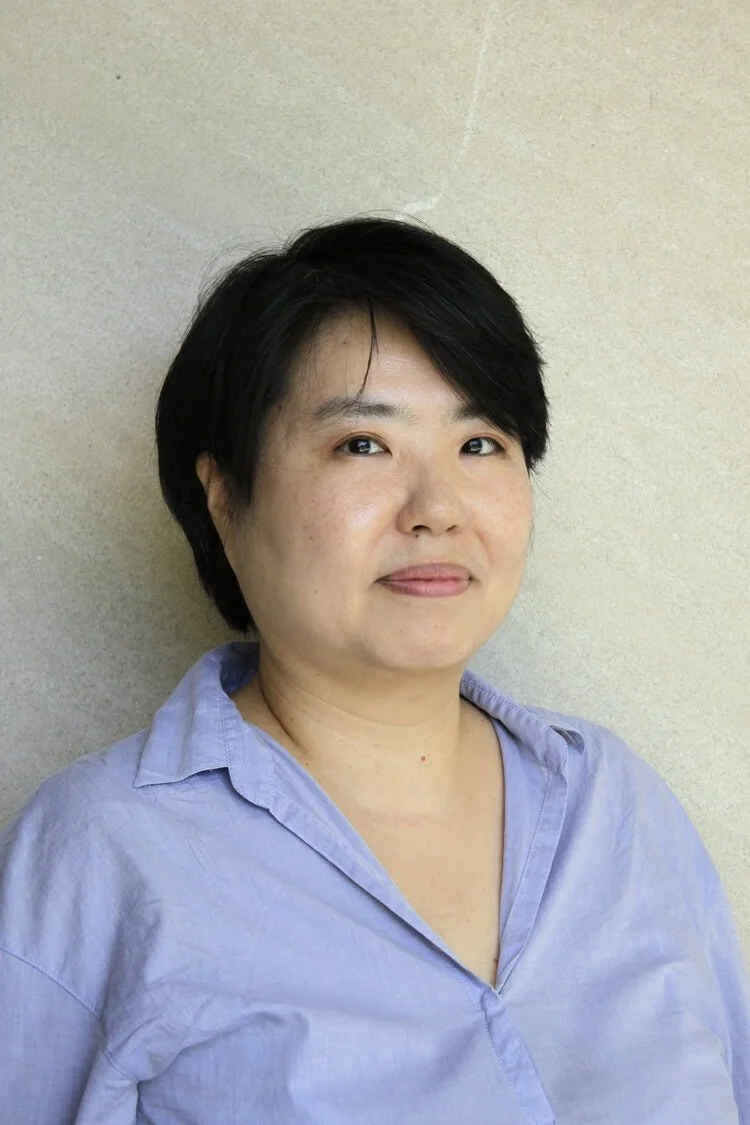
Jeehey Kim is a writer, researcher, and curator specializing in the history of visual culture in East Asia. She is an associate professor in the art history program at the University of Arizona. Kim received her doctorate from the Graduate Center of the City University of New York and later served as a postdoctoral fellow at the University of Chicago. In 2023, she published Photography and Korea, the first comprehensive history of Korean photography in English. She is currently working on two book projects: one on funerary portraiture in East Asia and another on photographic networks within the Japanese empire.
Recommended Reading
Toni Morrison, Home (Vintage, 2013)
Event image credit: Solitude by Sun-ho Moon, 1967