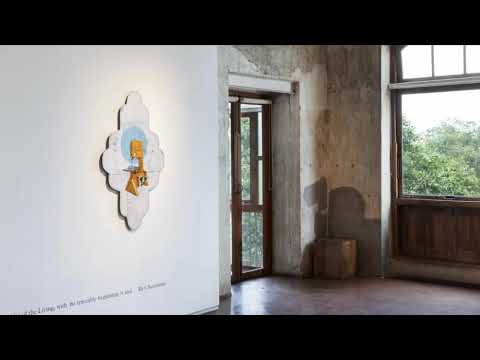
Pop Art is often understood as an aesthetic investigation into capitalist modernity, largely by artists based in metropolitan Western centers like London or New York. How might the category of Pop Art be useful for considering the forms capitalist modernity takes in the Global South? This lecture discusses the artworks of Elizabeth and Iftikhar Dadi toward an alternate genealogy of Pop Art.
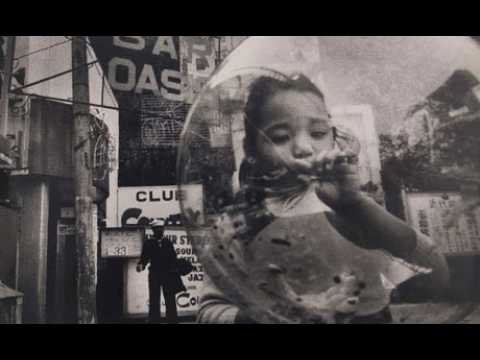
This talk by Jeehey Kim explores how Black presence has been represented in Korean and Japanese photographic cultures from the mid-twentieth century onward. The Korean War and the Second World War brought large numbers of U.S. military personnel—including Black American soldiers—into both countries. Their arrival shaped not only social interactions on the ground but also the ways Blackness was visually framed and understood in East Asia.

In this talk from her new book, Leigh Raiford focuses on a selection of Black American activists and artists to explore the complex relationship between racialized subjects and the medium of photography. Raiford considers the everyday image-making practices that these Black Americans employed to improve the condition of Black lives globally by imagining, identifying, inhabiting, leaving, defending, and destroying “home.”

Sri Lanka’s recent history and present, characterised by majoritarian governance, ethno-nationalist conflict, and civil war, is entangled with the multidimensional marginalisation of the island’s Tamil-speaking communities. Within such a fraught setting, exacerbated by surveillance, securitisation and militarisation, what can the photography studio reveal about the relationship between the Sri Lankan state and its Tamil citizens?

Anne Strachan Cross and Matthew Fox-Amato reflect on the history of the 1863 “Scourged Back” photograph by McPherson & Oliver, depicting a formerly enslaved man, Peter/Gordon, considering ethics of viewing.
